Texas Roadhouse Prime Rib 10 oz Calories and Weekend Price
Texas Roadhouse Prime Rib 10 oz Calories and Weekend Price
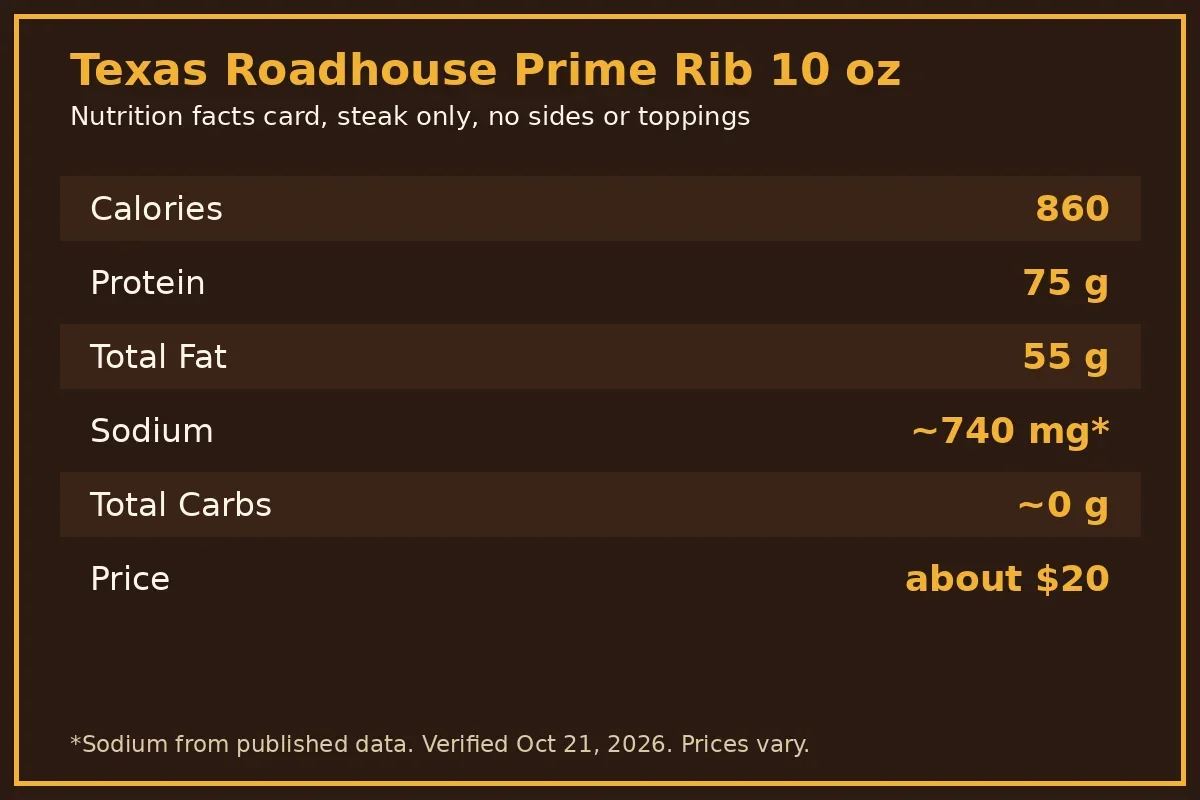
The texas roadhouse prime rib 10 oz calories come in at 860 calories, 55 grams of fat, 75 grams of protein, and almost no carbs, with a weekend menu price around $20 before sides. That is for the steak alone, the smallest of the three weekend prime rib cuts. Prime rib is a Friday through Sunday specialty at Texas Roadhouse, slow-roasted and hand-carved, so this is the light entry into the weekend-only lineup. All figures below are per steak as served.
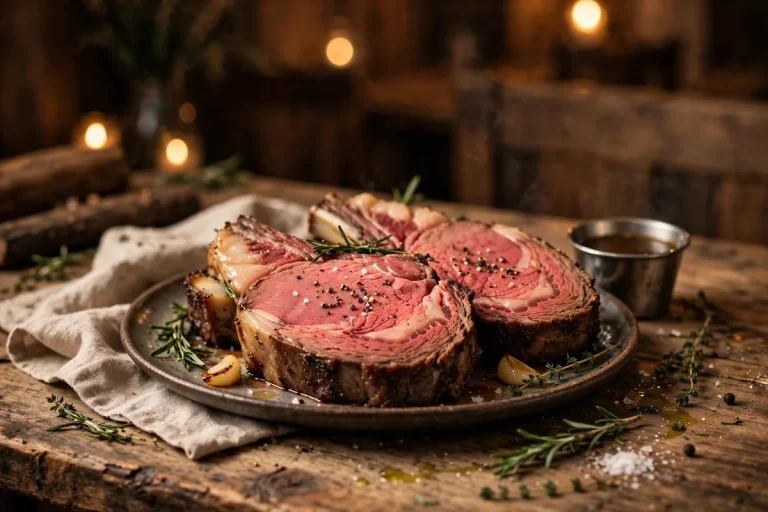
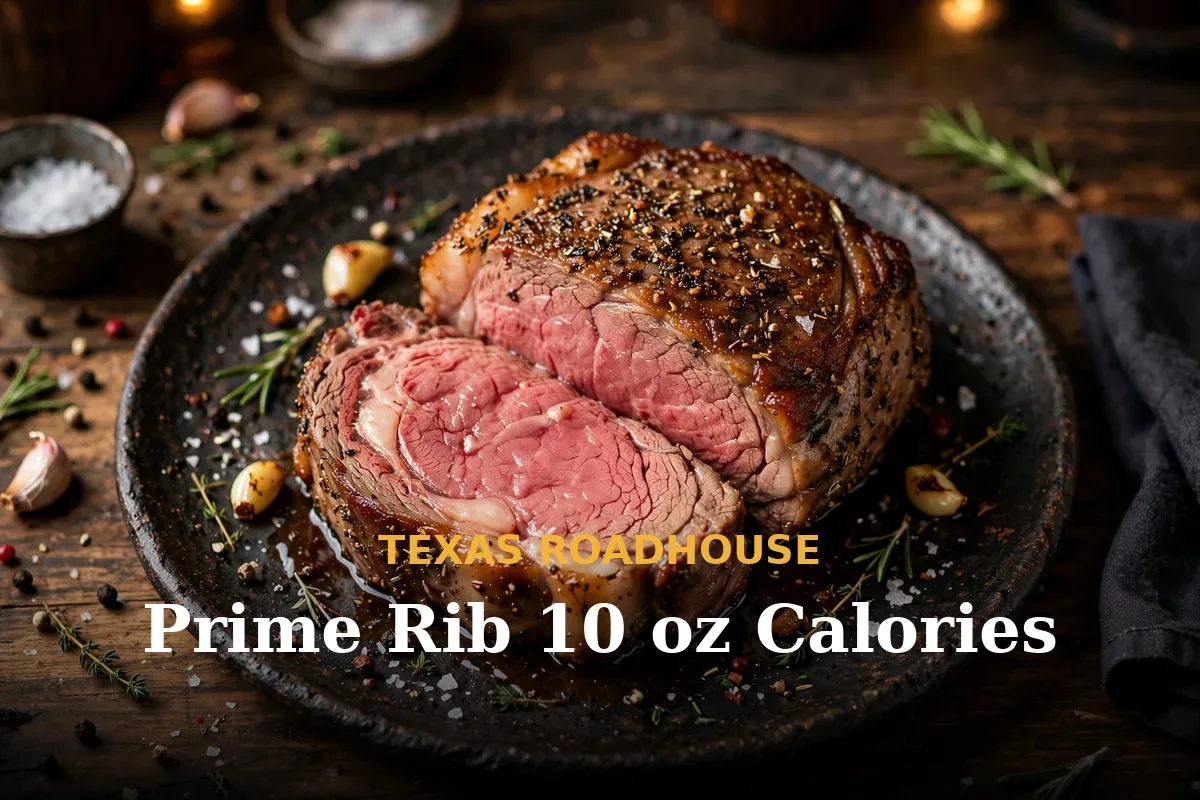
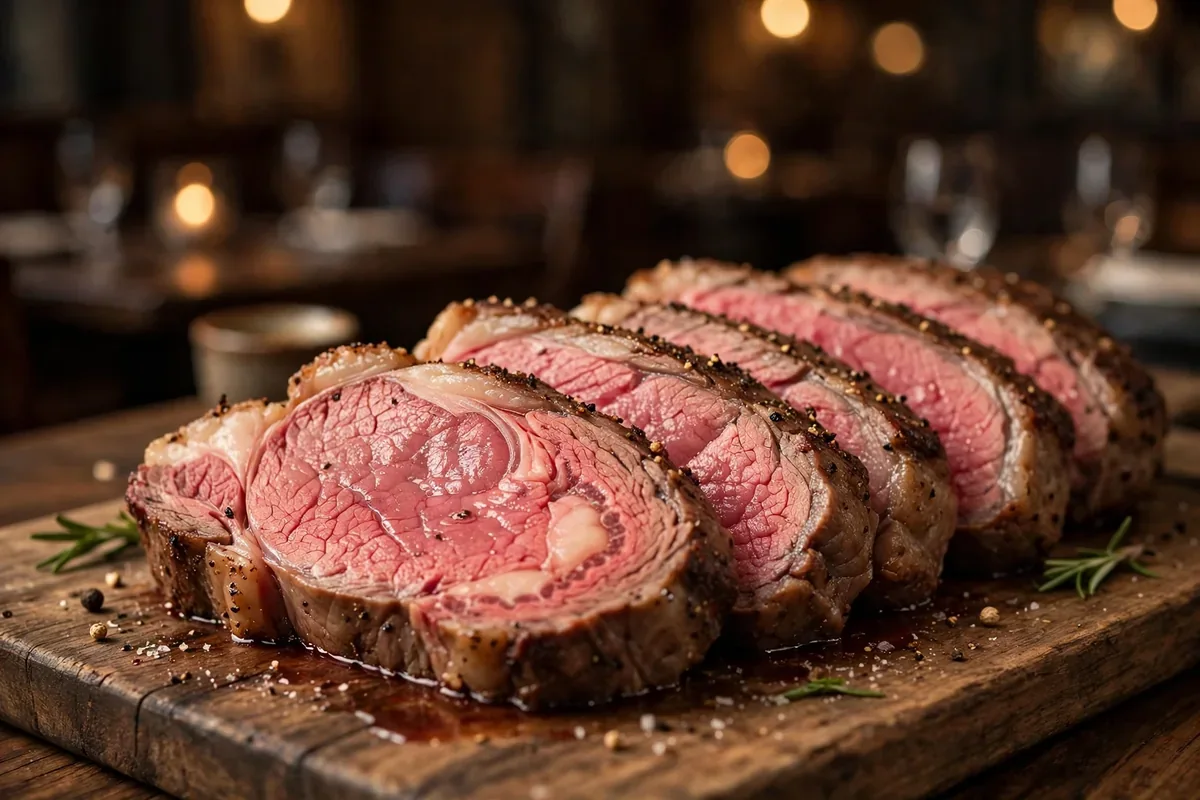
I wait all week for this cut. Texas Roadhouse only serves prime rib on weekends, and the 10 oz is the one I order when I want the full slow-roasted experience without committing to a 16 oz feast. It arrives thick-cut, rosy pink in the middle, with a seasoned crust and a little pot of au jus on the side, and at 860 calories it is honestly lighter than most people expect from a steakhouse weekend plate. If you have ever wondered what the numbers look like on the smallest prime rib, this guide lays out every figure, where the calories come from, and how the 10 oz stacks up against the 12 oz and 16 oz.
Below you will find the complete 10 oz prime rib nutrition table, the fat and protein story behind the calories, a side-by-side comparison of all three published sizes, the weekend price picture, and honest tips for keeping the whole dinner reasonable. Exact figures vary slightly between published sources, and prices vary by location, but every number here is checked against published nutrition data rather than guessed.
Texas Roadhouse Prime Rib 10 oz Nutrition: The Full Table
Here are the 10 oz prime rib calories and full macros, steak alone, as served without sides. The standout number is the protein: 75 grams makes this one of the most filling plates per calorie on the whole Texas Roadhouse menu, which is exactly why the 10 oz feels bigger than it looks on the plate.
| Nutrient | Per 10 oz Steak | Context |
|---|---|---|
| Calories | 860 | The steak alone, no sides |
| Total Fat | 55 g | From the slow-roasted marbling |
| Protein | 75 g | Among the highest per dollar here |
| Carbohydrates | ~0 g | Practically none, no breading |
| Cholesterol | ~220 mg* | Typical for a rich beef cut |
| Sodium | ~740 mg* | A third of a common daily limit |
| Weekend price | ~$20 | National average; varies by location |
*Cholesterol and sodium figures are from the published full nutrition panel; the calorie, fat, protein, and carb figures come from the chain’s published data table. Older published data listed the 10 oz at 780 calories, so exact figures vary slightly by source and menu vintage.
Read the table the way a weekend regular reads it: the 860 calories sit well below the 12 oz ribeye at 960 and the 10 oz is the cheapest way onto the prime rib board. The nearly zero carbs mean this is a plate that fits keto and low-carb plans without any modifications, and the 75 grams of protein do the heavy lifting on satisfaction. The fat is the flavor story here, just like it is with every prime rib, because a slow-roasted rib cut without marbling would not be prime rib at all.
Where the 860 Calories Actually Come From
Prime rib is cut from the rib primal, the most marbled section of the steer, and Texas Roadhouse slow-roasts whole rib roasts before carving them to order. Fat carries more than twice the calories per gram of protein, so the 55 grams of fat contribute roughly 495 of the 860 calories on their own, with the 75 grams of protein supplying most of the rest. There is no breading, no batter, no sugary glaze, so the carb count stays near zero and the numbers are almost entirely a function of the beef itself plus the signature seasoning crust.
The au jus served on the side is the one variable worth knowing about. Published data lists a 2 oz portion of au jus at about 25 calories, so dunking generously adds a little to the total, though most of it stays in the cup. The creamy horseradish sauce, if you order it, is a different story at 190 calories for the portion, so treat that as a real add-on in your mental math. The steak itself, plain and carved, is the 860.
Prime Rib Sizes Compared: 10 oz vs 12 oz vs 16 oz
These figures come from the same published nutrition sources used across this site, so this is an apples to apples comparison. Every figure is the steak alone, without sides.
| Size | Calories | Fat | Protein | My Take |
|---|---|---|---|---|
| 10 oz | 860 | 55 g | 75 g | The lighter weekend entry |
| 12 oz | 950 | 72 g | 74 g | The regular portion |
| 16 oz | 1,260 | 95 g | 99 g | The celebration cut |
The scaling is roughly linear, about 78 to 86 calories per ounce, which makes the upgrade math simple. Moving from the 10 oz to the 12 oz adds about 90 calories and 17 grams of fat for roughly two extra dollars on the menu, and jumping to the 16 oz adds 400 calories over the 10 oz. Protein climbs fastest of all, hitting 99 grams at the 16 oz, which is genuinely close to two days of protein for most people in a single plate.
Which Prime Rib Size Should You Order?
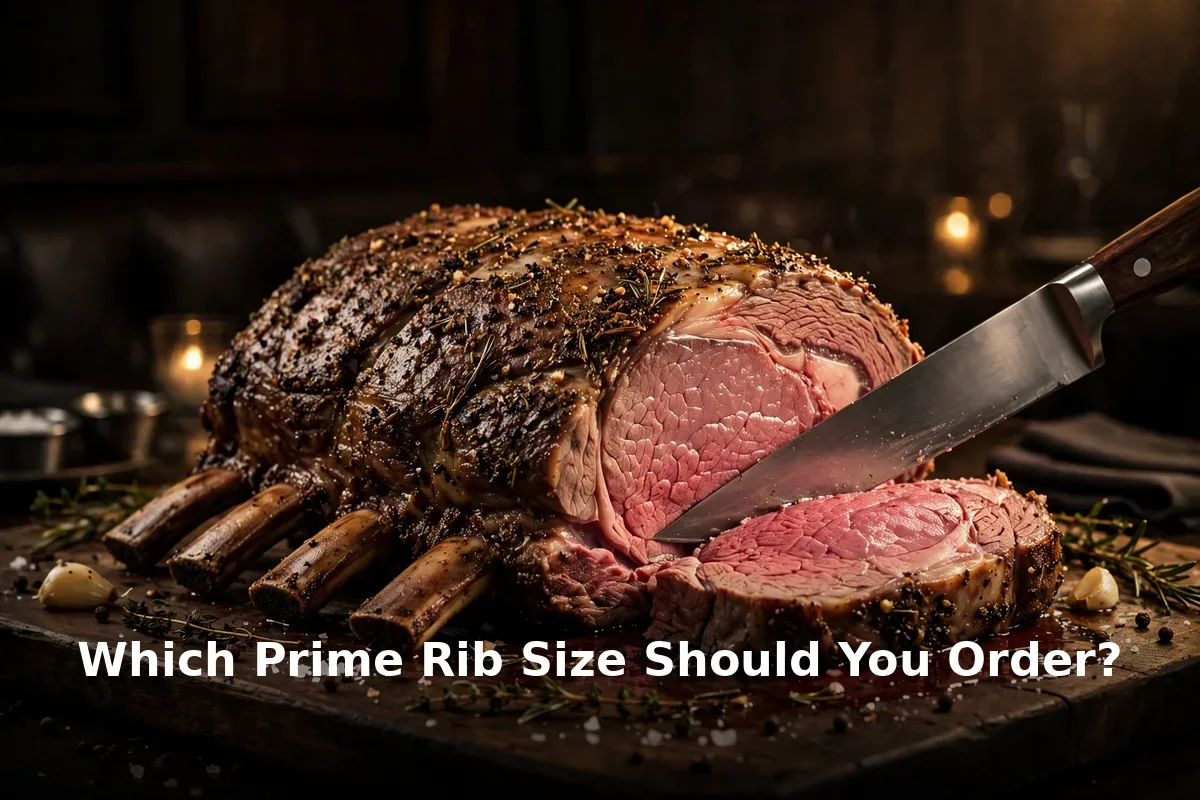
If this is your first prime rib of the season or you are eating with an eye on the numbers, the 10 oz at 860 calories is the smart order: you get the full slow-roasted, hand-carved experience, the au jus, the weekend ceremony, at about 10 percent fewer calories than the 12 oz. The 12 oz is the classic Friday night regular portion, the one the kitchen carves most often, and the right call when prime rib is the whole reason you came. The 16 oz is for the big appetite or the split: carved in half it becomes two 630-calorie portions with about 50 grams of protein each, which is suddenly one of the most reasonable ways to eat prime rib at this restaurant.
Is the 10 oz Prime Rib Worth About $20?
At around $20 with two made-from-scratch sides and fresh-baked rolls included, the 10 oz prime rib is one of the best value plates on the weekend menu. A comparable prime rib at an independent steakhouse easily runs $30 to $40 for the same cut, and here you get the bread, the sides, and the peanuts for the price of the steak alone. The 12 oz runs a few dollars more for about 90 extra calories, so the per-ounce math barely moves; choose on appetite, not on trying to game the price. The one real risk is timing: prime rib is weekends only and the most popular locations can sell out on a busy Saturday night, so earlier in the evening is safer than late.
How to Keep the 10 oz Prime Rib Dinner Lighter
The steak is 860, but the dinner total is decided by the sides. A loaded baked potato at 650 calories plus two rolls with cinnamon butter can push the plate past 1,700 before you blink. Swap the loaded potato for fresh vegetables or a house salad with dressing on the side, keep it to one roll, and the same 10 oz prime rib lands as a dinner in the 1,100 to 1,200 range that still feels like a proper weekend steakhouse night out.
The other honest move is skipping the creamy horseradish in favor of the included au jus and a dab of plain horseradish. You save close to 165 calories, the au jus adds only about 25, and the classic prime rib flavor actually comes through better without the heavy sauce. And remember the simplest lever of all: the 10 oz is already the light choice on the prime rib board, so you have done most of the work the moment you ordered it.
My personal tip: Go for the au jus and skip the creamy horseradish, and take fresh vegetables as one of your two sides. Those two swaps alone shave roughly 300 calories off the dinner without touching the steak, and the prime rib tastes more like itself.
What are the texas roadhouse prime rib 10 oz calories?
The 10 oz prime rib has 860 calories, with 55 grams of fat, 75 grams of protein, almost no carbs, and a weekend menu price around $20. These figures are for the steak alone, without sides, and exact numbers vary slightly between published sources.
Is Texas Roadhouse prime rib only served on weekends?
Yes. Prime rib is a Friday through Sunday specialty at Texas Roadhouse: slow-roasted whole roasts, hand-carved to order. It is not on the weekday menu, and popular locations can sell out on busy Saturday nights, so go earlier in the evening.
How much protein is in the 10 oz prime rib?
75 grams of protein, one of the highest-protein plates on the Texas Roadhouse menu. That is more than a full day’s protein for many people in a single steak, which is why the 10 oz is so filling despite being the smallest prime rib cut.
How does the 10 oz compare to the 12 oz prime rib?
The 12 oz is 950 calories with 72 grams of fat and 74 grams of protein, from the same published nutrition sources. Moving up adds about 90 calories and costs a few dollars more, so the 10 oz is the lighter and cheaper weekend entry while the 12 oz is the regular portion.
Do the calorie counts include the au jus?
The 860 calories are for the 10 oz steak alone. A 2 oz portion of au jus adds about 25 calories, while the creamy horseradish sauce adds 190, so stick with the au jus if you are counting.
What sides keep a prime rib dinner lighter?
Fresh vegetables, green beans, or a house salad with dressing on the side instead of the loaded baked potato, plus a one-roll limit. Those swaps can turn an 860-calorie steak into a dinner in the 1,100 to 1,200 range.
That is the texas roadhouse prime rib 10 oz calories picture in full: 860 calories, 55 grams of fat, 75 grams of protein, and about $20 for the smallest cut of a weekend-only specialty. The protein is the satisfaction, the fat is the flavor, and the sides are where your dinner total gets decided. Order it on a Friday night with confidence, pick your sides like you mean it, and this is a plate that earns every calorie.
Related Texas Roadhouse Guides
Information last verified: October 22, 2026. Source: texasroadhouse.com