Texas Roadhouse Soy Allergy Guide: Soybean Frying Oil and Sauces
Texas Roadhouse Soy Allergy Guide: Soybean Frying Oil and Sauces
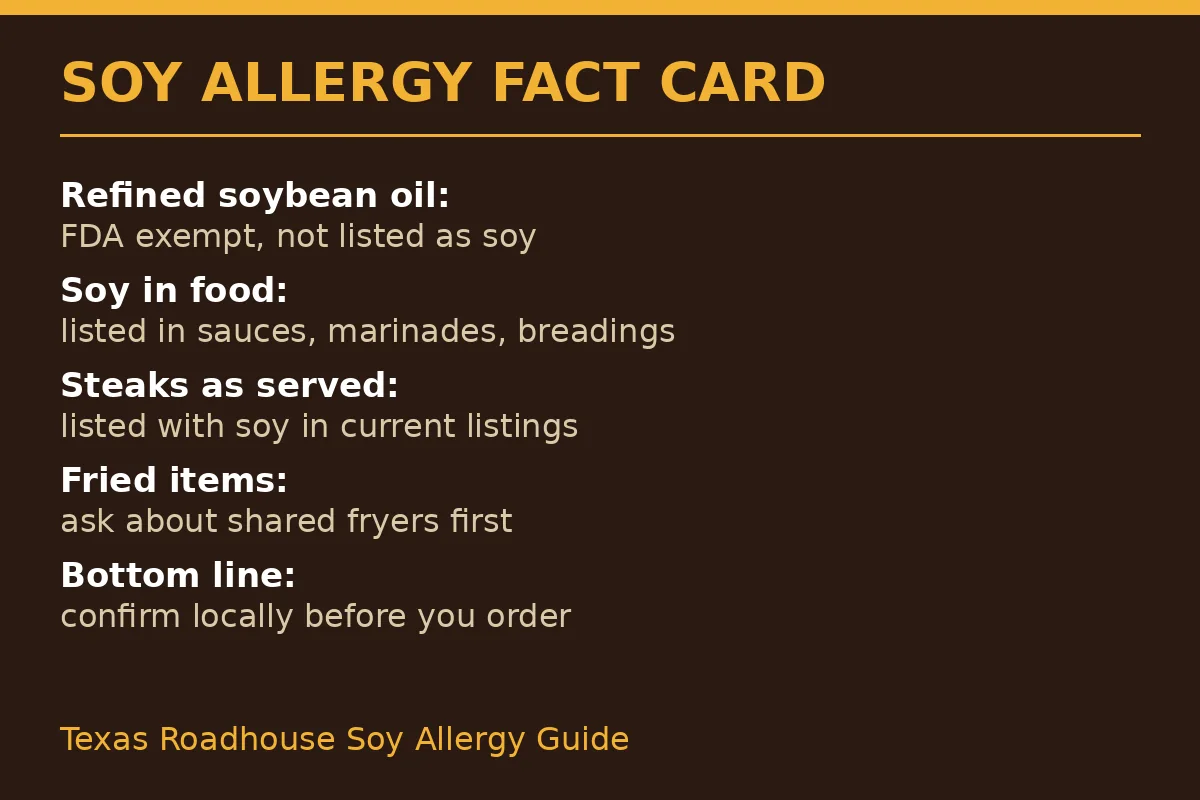
This texas roadhouse soy allergy frying oil guide starts with the split that matters most: the chain cooks with 100% refined soybean oil, which the FDA does not treat as a major food allergen, while soy as an ingredient in sauces, marinades, dressings, and breadings IS listed separately and must be avoided on its own terms. So the frying oil question and the sauce question are two different questions, and a soy allergy order has to answer both.
I will be honest with you: soy is the allergen that tricks people at Texas Roadhouse, because the most famous fact about it sounds like a free pass and it is not. Yes, the chain’s own allergen note says it cooks with 100% refined soybean oil, and yes, highly refined soybean oil is exempt from major allergen labelling under FDA rules because the refining process removes most soy protein. That does not make every fried item fine, and it does not make a sauce fine just because it came with a grilled steak. The oil is one thing. The breading on that fried item, the marinade on that steak, and the dressing on that salad are separate things, and they are where soy actually shows up on the allergen list.
One more honesty note before we dig in. Texas Roadhouse itself warns that all of its food is made in shared cooking and preparation areas, that cross-contact with allergens is possible, and that it offers no guarantee that any menu item is free of allergens. This guide follows that framing. It tells you what the listings say, flags where listings disagree, and tells you to confirm locally wherever the answer is uncertain. It is information, not medical advice, and it never promises that an item is safe for you.
Texas Roadhouse Soy Allergy Frying Oil Guide: Refined Oil Is Not the Whole Story
The refined oil footnote is real, and it is worth quoting in plain language: Texas Roadhouse cooks with 100% refined soybean oil, and according to the FDA, highly refined oils such as highly refined soybean oil are not considered a major food allergen and therefore are not identified on the allergen list. That is why a plain grilled item cooked in that oil does not automatically carry a soy flag for the oil alone. But here is the catch that the footnote itself points to: the exemption covers the refined oil, not everything cooked in it. A fried item carries its breading with it, and the breading is listed with soy. A shared fryer also carries whatever was fried in it before your food, and the chain publishes no fryer separation statement that would settle that question. So the oil answer is narrow by design, and this texas roadhouse soy allergy frying oil guide treats it as narrow.
| Item or sauce | Soy listed? | What to do |
|---|---|---|
| Refined soybean frying oil | Not listed | FDA exempt as highly refined oil; this alone does not clear fried or breaded items |
| Hand-cut steaks as served | Listed | Current secondary listings mark sirloin, ribeye, filet, and prime rib with soy; ask about seasoning and marinade and confirm locally |
| Prime rib | Listed | Listed with soy and wheat in current listings; skip if you are avoiding soy |
| Fried appetizers: Cactus Blossom, Rattlesnake Bites, Fried Pickles | Listed | Breading lists soy; skip, and do not rely on the refined oil exemption for fried food |
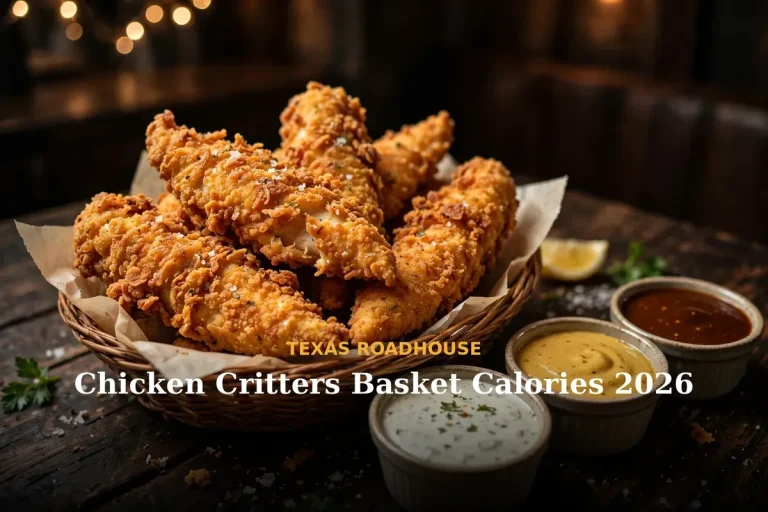
| Chicken Critters and fried chicken items | Listed | Breading and ranch style accompaniments list soy; skip |
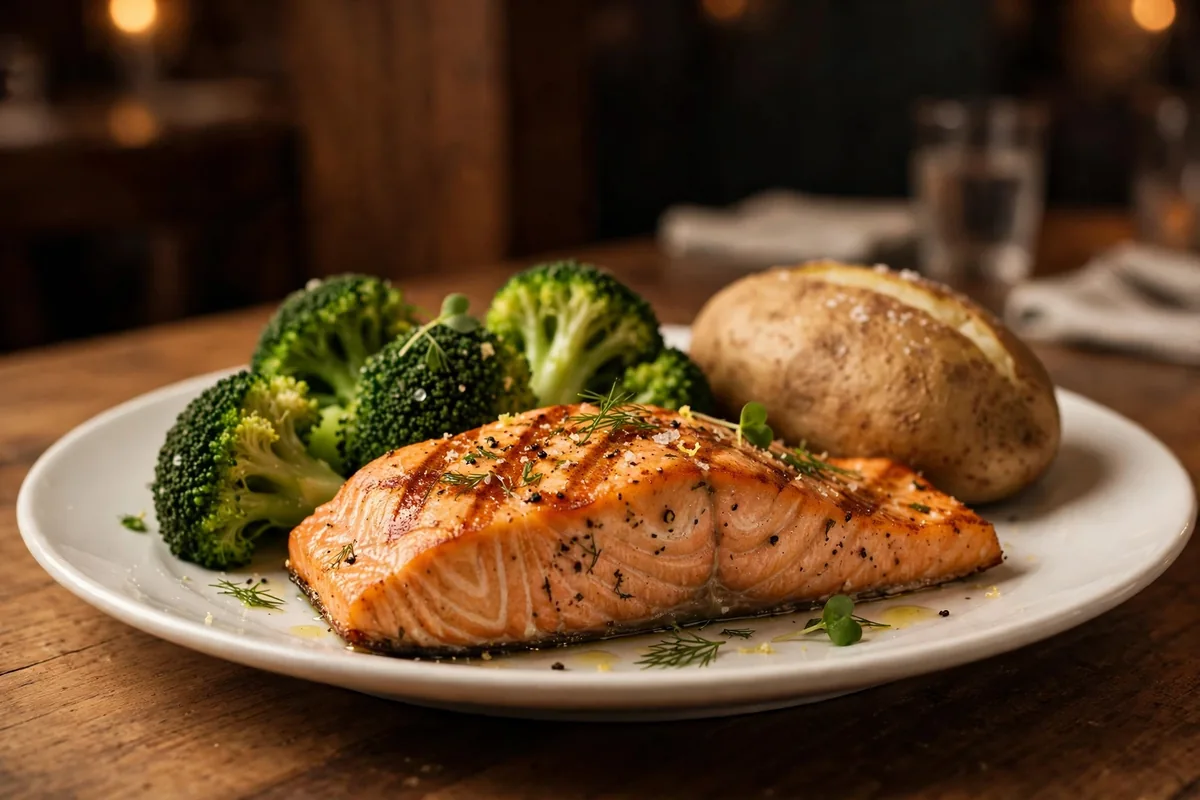
| Grilled salmon | Not listed in one compilation | One secondary compilation lists grilled salmon with fish only; still confirm preparation and shared grill use at your restaurant |
| Ranch and Parmesan Peppercorn dressings | Listed | Both list soy in current dressing tables; skip and use oil and vinegar instead |
| Caesar dressing | Conflicts | One dressing table lists Caesar with soy, another lists it without soy; treat as confirm locally, never as a default |
| Brown gravy | Listed in one table | One sauce table lists brown gravy with soy; skip gravy unless your restaurant confirms otherwise |
| Roadhouse Gold sauce and barbecue style sauces | Listed in retail ingredient list | The retail Roadhouse Gold ingredient list includes soy sauce and soybean oil; restaurant sauce listings vary, so treat these sauces as soy and confirm locally |
| Plain sides as served: green beans, fresh vegetables, mashed potatoes | Conflicts | Older side tables list these with soy, likely from butter or seasoning; order plain with no butter or seasoning and confirm locally |
| Applesauce and oil and vinegar dressing | Not listed | The plainest side and the plainest dressing in the listings; still confirm, because preparation varies by location |
Read that table the way a server would read an allergy ticket: the oil row is the only row that gets a pass on its own, and every other row needs its own question. A grilled steak is not cleared by the oil footnote, because the steak listing itself carries soy. A fried appetizer is not cleared by the oil footnote, because the breading carries soy. A sauce is not cleared by anything except its own ingredient list, and several sauces fail that test outright.
Sauces, Marinades, and Dressings: Where Soy Hides After the Grill
Sauces are where most soy allergy orders quietly fail, because the main dish looks plain and the sauce does the damage. Ranch dressing lists soy in current dressing tables, and Parmesan Peppercorn dressing does too. Honey Mustard and Thousand Island appear without soy in one dressing table, but dressings change by supplier and location, so even a dressing that looks clear on paper deserves a question at the table. The safest dressing in the listings is oil and vinegar, which appears with no allergens listed, and it is the dressing I would ask for first.
Barbecue style sauces need the same caution, and for a concrete reason. The retail ingredient list for Texas Roadhouse Roadhouse Gold sauce includes soy sauce and soybean oil among its ingredients, and it is labelled as containing soy and wheat. That is a retail bottle, not a restaurant squeeze bottle, so it does not prove what your restaurant pours, but it is a strong reason to treat gold style sauces as soy unless the restaurant tells you otherwise. Brown gravy shows the same pattern: one sauce table lists it with soy, so gravy is out by default. Pico de gallo, ketchup, and horseradish style sauces appear without soy in one sauce table, but again, a table is not your restaurant, and a sauce served from a shared station can pick up cross-contact on the way to your plate.
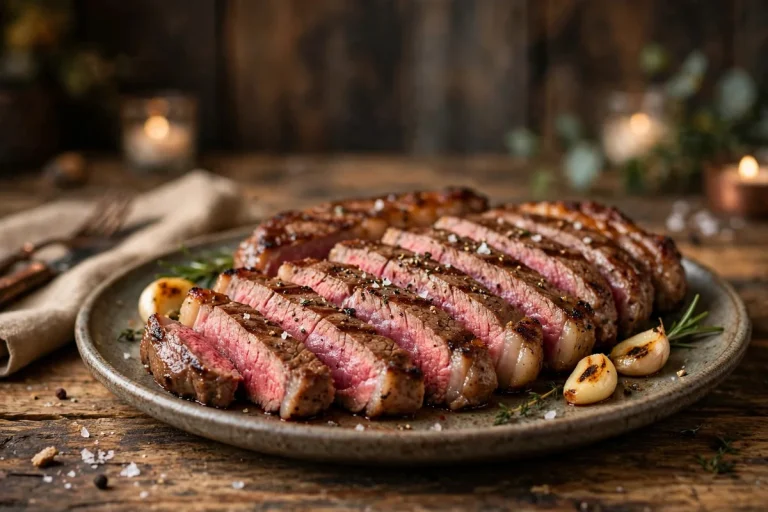
Marinades are the hardest category to verify from listings alone, because the allergen tables list the finished item, not the marinade recipe. Hand-cut steaks appear with soy in current secondary listings, which strongly suggests seasoning or marinade involvement, but the listings do not publish the marinade formula, so I will not guess at it here. The honest move is to ask the server directly: is there a marinade or seasoning blend on this steak, and does it contain soy? If the server cannot answer, pick a different item or a different preparation rather than trusting the article. That question matters more than any table in this guide.
Cross-Contact and Shared Fryers: What the Chain Does and Does Not Promise
Texas Roadhouse is a scratch based kitchen, not a dedicated allergen free kitchen, and its own allergen note says so in plain terms: food is made in shared cooking and preparation areas, cross-contact is possible, and the kitchen will take precautions if you tell them about the allergy, but no guarantee follows. That matters most for fried food. The chain publishes no fryer separation statement, and one careful secondary review notes exactly that gap: the refined oil footnote says which oil is exempt from labelling, not which fryer is used for what. So a fried item that looks soy free on ingredients alone can still meet soy in a shared fryer, and a plain item cooked on a shared grill can meet a marinade left on that grill.
What to do about it is practical, not dramatic. Tell your server about the soy allergy before you order, not after the food arrives. Ask whether the kitchen can use fresh utensils and a clean surface for your plate. Ask about the fryer directly if you are considering anything fried, and be ready to drop fried items entirely if the answer is shared fryers. For a severe allergy, call the specific restaurant ahead, speak to a manager, and ask exactly how they handle soy allergy orders that day, because preparation and availability vary by location and even by shift. This guide is information only, not medical advice, and it cannot promise that any item at any location is safe for you.
Soy Allergy Order: Plain Steak and Sauce on the Side
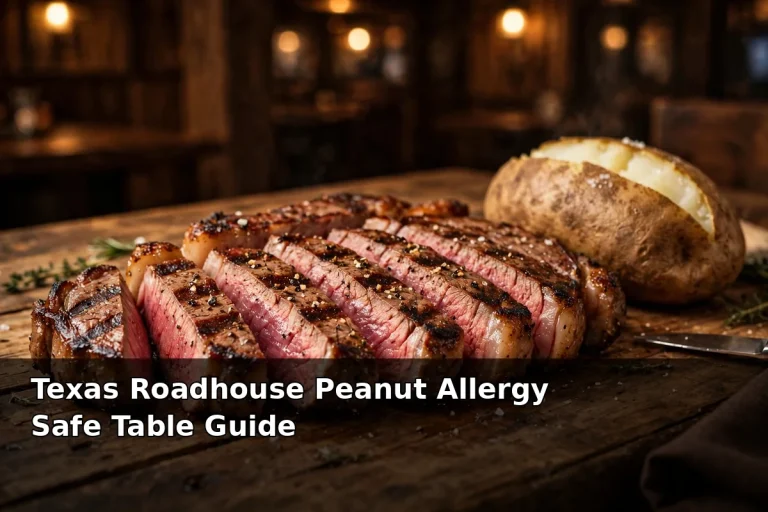
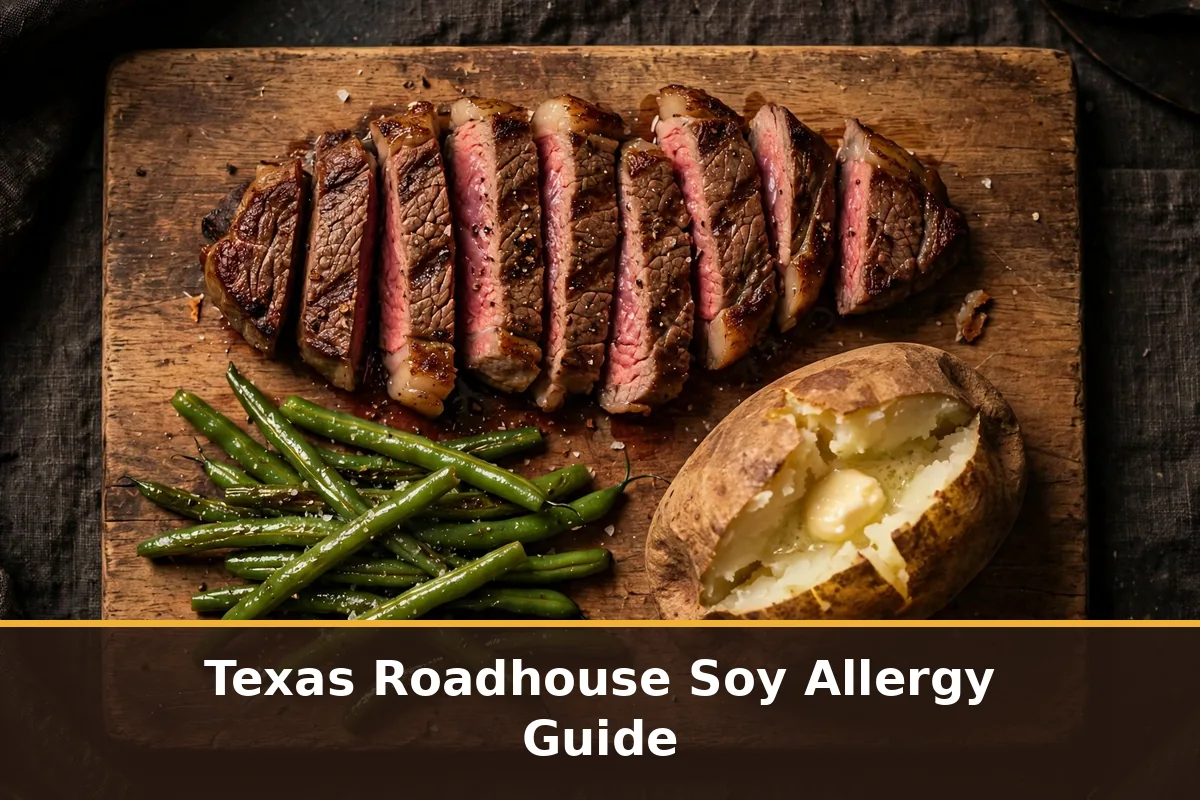
Order it like this: ask about the steak seasoning and marinade first, and only then order a plain grilled item with plain sides and sauce on the side, or no sauce at all. A plain baked potato with nothing on it, applesauce, and oil and vinegar dressing are the plainest supporting items in the listings, and a grilled salmon order is worth asking about because one compilation lists it without soy. Keep every sauce on the side so you can see it, skip gravy, skip ranch, skip fried appetizers, and skip anything breaded. If the server cannot confirm the marinade or the dressing, drop that item rather than debating it. A plain plate you verified beats a fancy plate you guessed at, every single time.
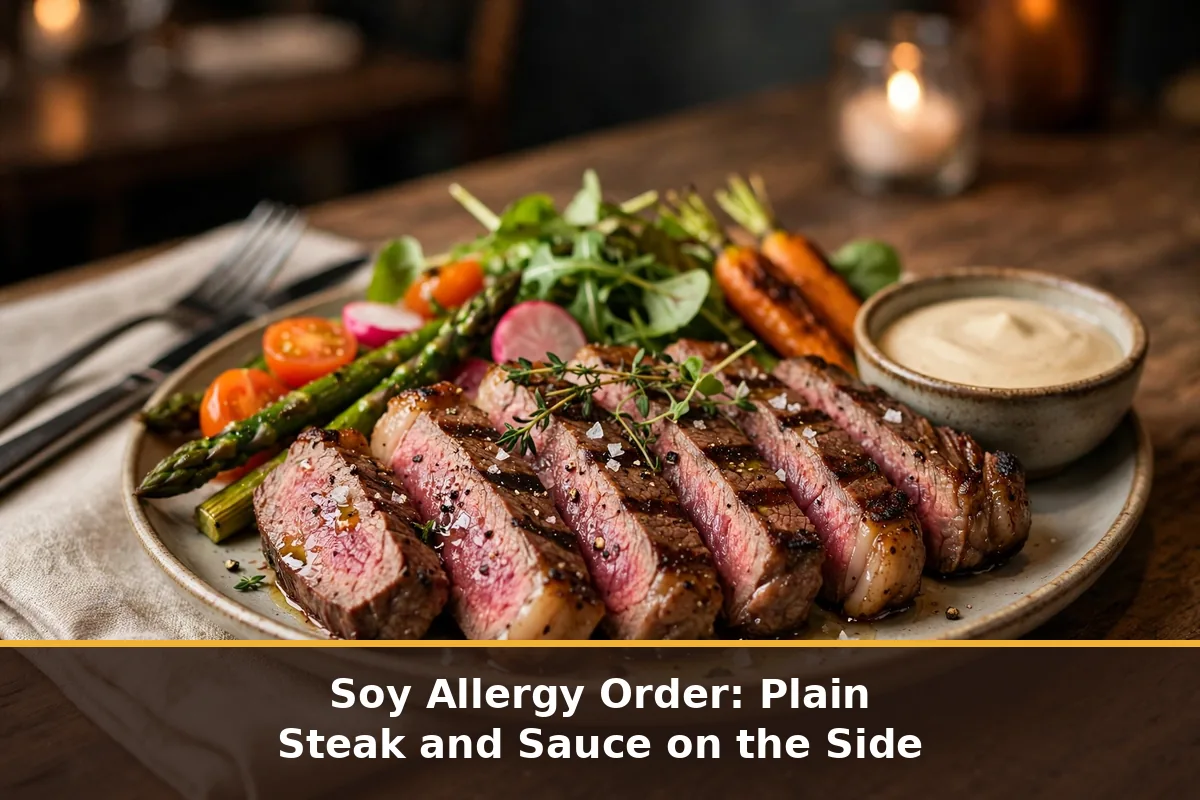
How I would order: I would tell the server I have a soy allergy before ordering anything, ask whether the steak has a soy containing marinade or seasoning, and ask for oil and vinegar dressing instead of ranch. Then I would ask one question before the food comes out: was my plate prepared with fresh utensils, no sauce, no gravy, and no fried item from a shared fryer? That five second question is the difference between a list on a screen and a meal you can actually relax over.
What does this texas roadhouse soy allergy frying oil guide say about frying oil?
Texas Roadhouse cooks with 100% refined soybean oil, which the FDA does not treat as a major food allergen, so the oil alone is not identified on the allergen list. That exemption does not clear breaded or fried items, marinades, or sauces, which are listed with soy on their own terms.
Is Texas Roadhouse soybean oil safe for a soy allergy?
Highly refined soybean oil is exempt from major allergen labelling because refining removes most soy protein, and the chain relies on that exemption. But the chain also warns that cross-contact is possible in its shared kitchens and offers no guarantee about any item, so people with a soy allergy should still tell the restaurant and confirm locally. This guide is not medical advice.
Which Texas Roadhouse sauces contain soy?
Ranch and Parmesan Peppercorn dressings list soy in current dressing tables, brown gravy lists soy in one sauce table, and the retail Roadhouse Gold sauce ingredient list includes soy sauce and soybean oil. Oil and vinegar dressing appears with no allergens listed and is the dressing to ask for first.
Are Texas Roadhouse steaks soy free?
Current secondary listings mark hand-cut steaks, including sirloin, ribeye, filet, and prime rib, with soy as served, which points to seasoning or marinade involvement. The listings do not publish the marinade formula, so ask your server about seasoning and marinade before ordering and treat the answer as confirm locally.
Can I eat fried food at Texas Roadhouse with a soy allergy?
Fried appetizers and fried chicken items list soy in their breading, so they are out on ingredients alone. On top of that, the chain publishes no fryer separation statement, so shared fryer cross-contact is an open question. Ask about the fryer at your restaurant, and be ready to skip fried items entirely.
What should I ask my server about a soy allergy at Texas Roadhouse?
Tell the server before you order, ask about marinade and seasoning on the steak, ask for oil and vinegar dressing and sauces on the side, ask about shared fryers and fresh utensils, and confirm anything uncertain with the restaurant itself. For a severe allergy, call the specific restaurant ahead and speak to a manager.
That is the full picture in one line: the refined oil is exempt, the sauces and breadings are not, and the shared kitchen means every answer ends with confirm locally. Order the plain plate, keep sauce on the side, skip fried and breaded items, ask about marinade and fryers, and confirm anything uncertain with the restaurant itself. A careful order at Texas Roadhouse can still be a genuinely good steakhouse dinner, and now you know exactly which questions to ask before it arrives.
Related Texas Roadhouse Guides
last verified: October 24, 2026. Source: official Texas Roadhouse website, where the chain publishes its allergen note on refined soybean oil and shared kitchen cross-contact, with item lists compiled from its Nutritionix allergen listing and secondary allergen compilations.